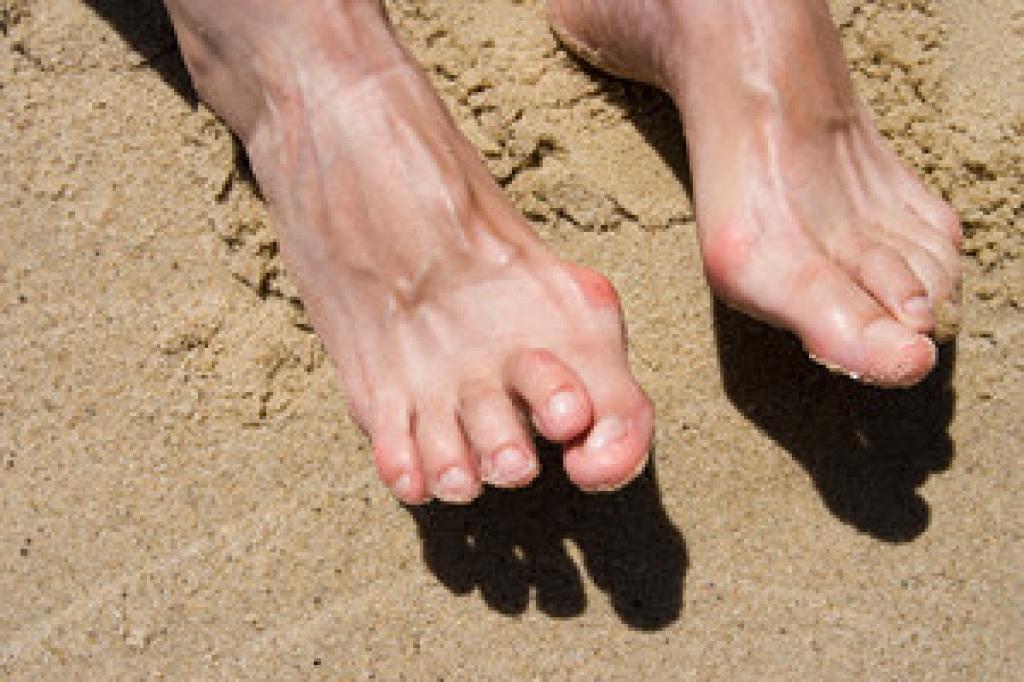
Hammertoe and Its Common Causes

Hammertoe is a foot deformity in which one of the smaller toes bends downward at the middle joint, creating a hammer-like appearance. This condition often develops when the muscles and tendons that control the toe become imbalanced, causing the joint to remain in a bent position. Common causes may include wearing tight or narrow shoes, high-heeled footwear, foot injury, or structural foot imbalance. Symptoms include toe pain, stiffness, swelling, corns, calluses, and difficulty moving the affected toe. Risk factors include long-term shoe pressure, certain inherited foot shapes, and conditions that affect muscle balance. Early evaluation and supportive care may help reduce discomfort, improve alignment, and protect overall foot health and comfortable daily movement. If you have symptoms of hammertoe, it is suggested that you consult a podiatrist who can offer effective relief and management solutions.

Hammertoe

Hammertoes can be a painful condition to live with. For more information, contact one of our podiatrists from VIP Foot & Ankle Center. Our doctors will answer any of your foot- and ankle-related questions.

Hammertoe is a foot deformity that affects the joints of the second, third, fourth, or fifth toes of your feet. It is a painful foot condition in which these toes curl and arch up, which can often lead to pain when wearing footwear.

Symptoms

  • Pain in the affected toes
  • Development of corns or calluses due to friction
  • Inflammation
  • Redness
  • Contracture of the toes

Causes

Genetics – People who are genetically predisposed to hammertoe are often more susceptible

Arthritis – Because arthritis affects the joints in your toes, further deformities stemming from arthritis can occur

Trauma – Direct trauma to the toes could potentially lead to hammertoe

Ill-fitting shoes – Undue pressure on the front of the toes from ill-fitting shoes can potentially lead to the development of hammertoe

Treatment

Orthotics – Custom made inserts can be used to help relieve pressure placed on the toes and therefore relieve some of the pain associated with it

Medications – Oral medications such as anti-inflammatories or NSAIDs could be used to treat the pain and inflammation hammertoes causes. Injections of corticosteroids are also sometimes used

Surgery – In more severe cases where the hammertoes have become more rigid, foot surgery is a potential option

If you have any questions, please feel free to contact our office located in Pembroke Pines, FL . We offer the newest diagnostic and treatment technologies for all your foot care needs.
Read more about Hammertoe

Scleroderma and Its Effects on Foot Health

Scleroderma is a chronic autoimmune connective tissue disorder in which the body produces excess collagen, leading to thickening and tightening of the skin and underlying tissues. When this condition affects the feet it may cause stiffness, reduced flexibility, and changes in circulation that influence comfort during walking. Symptoms include tight skin, joint discomfort, swelling, and sensitivity to cold temperatures. Many individuals also experience Raynaud's phenomenon, a circulation-related condition in which the toes change color and become painful when exposed to cold or stress. Causes involve immune system dysfunction and genetic susceptibility. Risk factors may include family history and autoimmune disease patterns. A podiatrist can help manage foot symptoms and improve comfort. If foot pain or circulation concerns develop, it is suggested that you consult a podiatrist who can help you to manage this condition.

Foot Pain

Foot pain can be extremely painful and debilitating. If you have a foot pain, consult with one of our podiatrists from VIP Foot & Ankle Center. Our doctors will assess your condition and provide you with quality foot and ankle treatment.

Causes

Foot pain is a very broad condition that could be caused by one or more ailments. The most common include:

  • Bunions
  • Hammertoes
  • Plantar Fasciitis
  • Bone Spurs
  • Corns
  • Tarsal Tunnel Syndrome
  • Ingrown Toenails
  • Arthritis (such as Gout, Rheumatoid, and Osteoarthritis)
  • Flat Feet
  • Injury (from stress fractures, broken toe, foot, ankle, Achilles tendon ruptures, and sprains)
  • And more

Diagnosis

To figure out the cause of foot pain, podiatrists utilize several different methods. This can range from simple visual inspections and sensation tests to X-rays and MRI scans. Prior medical history, family medical history, and any recent physical traumatic events will all be taken into consideration for a proper diagnosis.

Treatment

Treatment depends upon the cause of the foot pain. Whether it is resting, staying off the foot, or having surgery; podiatrists have a number of treatment options available for foot pain.

If you have any questions, please feel free to contact our office located in Pembroke Pines, FL . We offer the newest diagnostic and treatment technologies for all your foot care needs.

Read more about Foot Pain

Formation and Treatment of Seed Corns

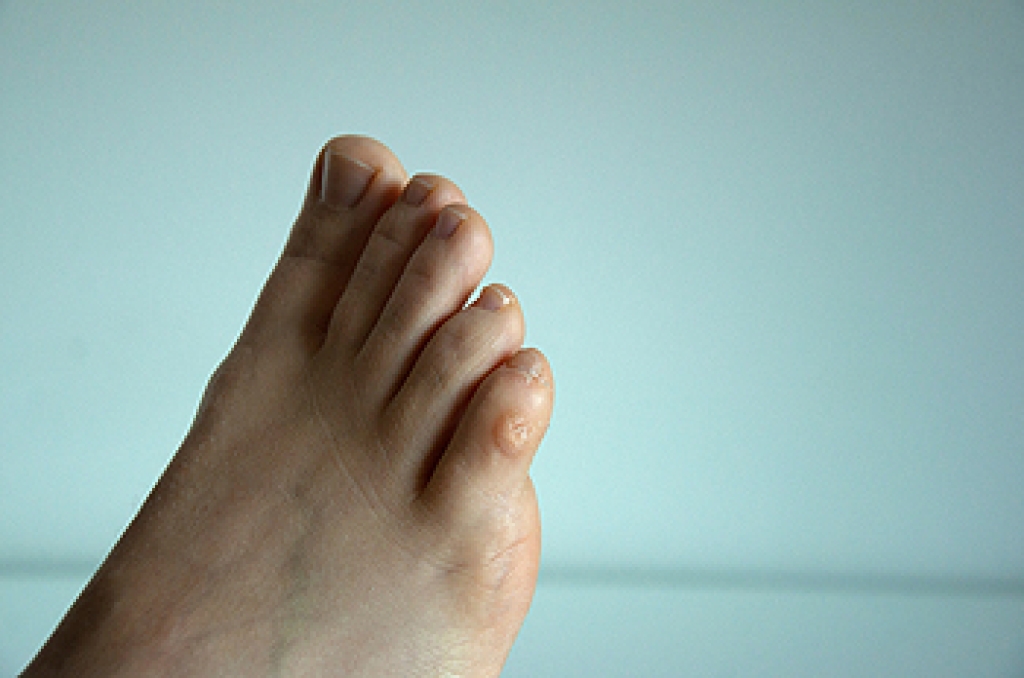
Seed corns are tiny, round areas of thickened skin that form on the bottom of the foot due to repeated pressure and friction. The name seed corn refers to small, well-defined spots that often appear in clusters. They are commonly linked to dry skin, tight shoes, and foot deformities like bunions or hammertoes, which change how weight is distributed across the sole. Unlike calluses, which are usually larger and spread out, seed corns stay small and circular. They can also resemble plantar warts, but warts often interrupt normal skin lines and may contain small dark dots. Seed corns can become painful when located on weight-bearing areas like the ball of the foot. A podiatrist can carefully examine the lesion, confirm the diagnosis, safely reduce thickened skin, and address underlying pressure points with footwear guidance or custom orthotics. If you have a painful corn on your foot, it is suggested that you make an appointment with a podiatrist for an exam, diagnosis, and treatment.

Corns can make walking very painful and should be treated immediately. If you have questions regarding your feet and ankles, contact one of our podiatrists of VIP Foot & Ankle Center. Our doctors will treat your foot and ankle needs.

Corns: What Are They? And How Do You Get Rid of Them?
Corns are thickened areas on the skin that can become painful. They are caused by excessive pressure and friction on the skin. Corns press into the deeper layers of the skin and are usually round in shape.

Ways to Prevent Corns
There are many ways to get rid of painful corns such as:

  • Wearing properly fitting shoes that have been measured by a professional
  • Wearing shoes that are not sharply pointed or have high heels
  • Wearing only shoes that offer support

Treating Corns

Although most corns slowly disappear when the friction or pressure stops, this isn’t always the case. Consult with your podiatrist to determine the best treatment option for your case of corns.

If you have any questions, please feel free to contact our office located in Pembroke Pines, FL . We offer the newest diagnostic and treatment technologies for all your foot care needs.

Read more about Corns and Calluses

How to Identify Flat Feet

Flat feet occur when the arches collapse, and the entire sole touches the ground while standing. You may identify flat feet by noticing little or no arch, uneven shoe wear, or ankles that roll inward. Symptoms can include foot pain, swelling along the inside of the ankle, heel discomfort, and fatigue after standing or walking. Causes may involve genetics, injury, obesity, aging, or weakened tendons. Solutions include supportive footwear, strengthening exercises, stretching routines, and custom orthotics to improve alignment and reduce strain. A podiatrist can evaluate foot structure, perform a gait analysis, and design a personalized treatment plan. If your flat feet are causing you discomfort, it is suggested that you consult a podiatrist who can offer effective relief and management solutions.

Flatfoot is a condition many people suffer from. If you have flat feet, contact one of our podiatrists from VIP Foot & Ankle Center. Our doctors will treat your foot and ankle needs.

What Are Flat Feet?

Flatfoot is a condition in which the arch of the foot is depressed and the sole of the foot is almost completely in contact with the ground. About 20-30% of the population generally has flat feet because their arches never formed during growth.

Conditions & Problems:

Having flat feet makes it difficult to run or walk because of the stress placed on the ankles.

Alignment – The general alignment of your legs can be disrupted, because the ankles move inward which can cause major discomfort.

Knees – If you have complications with your knees, flat feet can be a contributor to arthritis in that area.  

Symptoms

  • Pain around the heel or arch area
  • Trouble standing on the tip toe
  • Swelling around the inside of the ankle
  • Flat look to one or both feet
  • Having your shoes feel uneven when worn

Treatment

If you are experiencing pain and stress on the foot you may weaken the posterior tibial tendon, which runs around the inside of the ankle. 

If you have any questions, please feel free to contact our office located in Pembroke Pines, FL . We offer the newest diagnostic and treatment technologies for all your foot care needs.

Read more about Flat Feet

Why Live with Pain and Numbness in Your Feet?

Suffering from this type of pain? You may have the foot condition known as Morton's neuroma. Morton's neuroma may develop as a result of ill-fitting footwear and existing foot deformities. We can help.

Advanced Podiatric Procedures & Services in the Miami, Pembroke Pines, Miami Gardens, Hollywood, Hallandale Beach, Davie, Dania Beach, North Miami, Hialeah, Fort Lauderdale areas