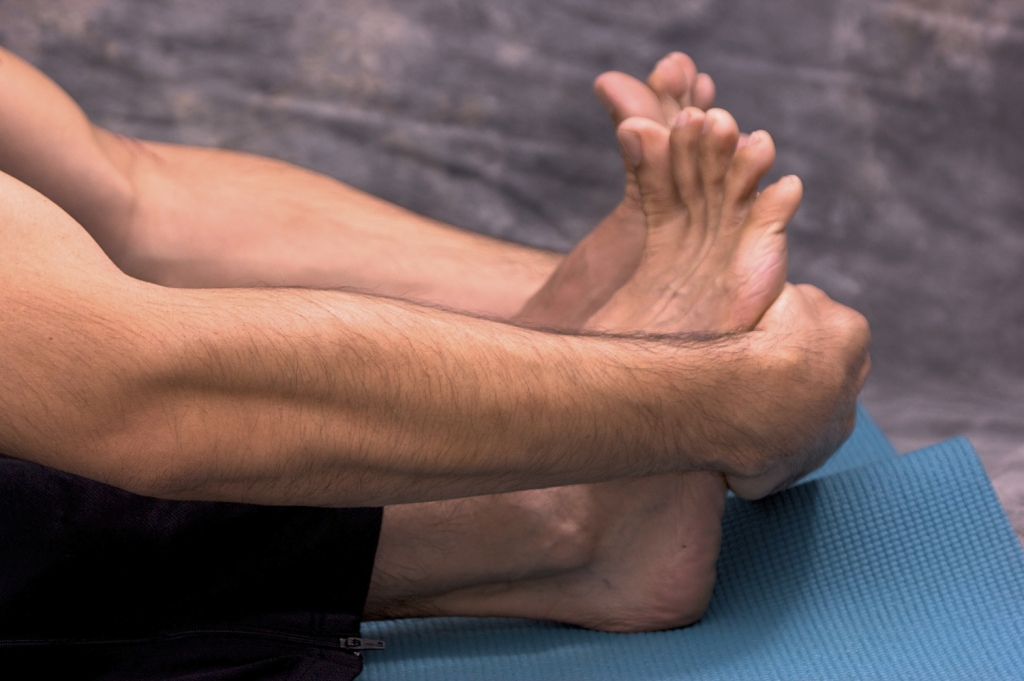
Stretching the Feet to Improve Flexibility and Prevent Pain

Your feet do more than carry the weight of your body. They help you balance, push forward, and change direction. Stretching the feet supports the flexibility needed for these movements. The big toe plays an especially important role because it helps propel the body forward when walking or running. When the big toe cannot bend freely, other areas may face extra stress. Foot strength matters, too. Research suggests that stronger toes may help athletes accelerate and change direction more effectively. Both flexibility and strength support healthy foot function. Maintaining comfortable movement in the feet is important for everyday activities and athletic performance.

Foot flexibility affects movement. The arch supports your weight, while the heel and toes help control each step. Tightness beneath the foot or around the calf can limit comfortable movement. A podiatrist can assess these areas and identify restrictions. A professional stretching plan might focus on improving big-toe motion, easing tight calf muscles, and increasing flexibility along the sole. A podiatrist can also assess foot strength and recommend supervised exercises. For athletes, these improvements may support running, jumping, and quick changes in direction. Results vary. Proper foot movement also helps the body manage pressure when the feet contact the ground.

Not every painful or stiff foot needs the same approach. Stretching too aggressively can increase pain when tissues are irritated or injured. A podiatrist can examine how your feet move and determine whether limited flexibility, muscle weakness, or joint problems contribute to symptoms. Treatment can include guided stretching, targeted strengthening, and recommendations for shoes with proper support. The goal is to improve movement safely. People who notice ongoing arch discomfort or stiffness in the big toe should seek an evaluation. If you have pain or stiffness in the feet, it is suggested that you schedule an appointment with a podiatrist for diagnosis and treatment.

Stretching the feet is a great way to prevent injuries. If you have any concerns with your feet consult with one of our podiatrists from VIP Foot & Ankle Center. Our doctors will assess your condition and provide you with quality foot and ankle treatment.

Stretching the Feet

Stretching the muscles in the foot is an important part in any physical activity. Feet that are tight can lead to less flexibility and make you more prone to injury. One of the most common forms of foot pain, plantar fasciitis, can be stretched out to help ease the pain. Stretching can not only ease pain from plantar fasciitis but also prevent it as well. However, it is important to see a podiatrist first if stretching is right for you. Podiatrists can also recommend other ways to stretch your feet. Once you know whether stretching is right for you, here are some excellent stretches you can do.

  • Using a foam roller or any cylindrical object (a water bottle or soda can will do), roll the object under your foot back and forth. You should also exert pressure on the object. Be sure to do this to both feet for a minute. Do this exercise three times each.
  • Similar to the previous one, take a ball, such as a tennis ball, and roll it under your foot while seated and exert pressure on it.
  • Grab a resistance band or towel and take a seat. If you are using a towel, fold it length wise. Next put either one between the ball of your foot and heel and pull with both hands on each side towards you. Hold this for 15 seconds and then switch feet. Do this three times for each foot.
  • Finally hold your big toe while crossing one leg over the other. Pull the toe towards you and hold for 15 seconds. Once again do this three times per foot.

It is best to go easy when first stretching your foot and work your way up. If your foot starts hurting, stop exercising and ice and rest the foot. It is advised to then see a podiatrist for help.

If you have any questions please contact our office located in Pembroke Pines, FL . We offer the newest diagnostic and treatment technologies for all your foot and ankle needs.


Read more about Stretching Your Feet

Fall-Proof Your Home and Protect Your Feet

Falling at home is a common concern for older adults, and a simple stumble can cause injury. A fall happens when balance, vision, or footing is disrupted. Common symptoms after a fall include pain, swelling, or bruising. Tenderness, difficulty walking, or reduced movement may also be common. Persistent discomfort deserves attention. Falls can result in sprains, fractures, or damage to the toes and midfoot.

Several factors can increase the risk of falling at home. Loose rugs, cluttered walkways, and stairs can create hazards. Weakness, vision problems, and medications may also contribute. Seniors can reduce these risks by keeping pathways clear and securing or removing loose rugs. Installing brighter lighting and sturdy handrails can make movement around the home safer. Wearing supportive, properly fitted shoes instead of walking in socks can also improve stability.


Fall-proofing the home is especially important in areas used every day. Keep frequently used items within easy reach to avoid climbing or stretching. Use non-slip mats in areas where floors may become wet. A bathroom grab bar can provide additional support near the shower or toilet. After a fall, avoid putting weight on a painful foot or ankle. A podiatrist can examine the foot, check swelling and tenderness, and determine whether imaging is needed.


Treatment depends on the injury and its severity. A podiatrist may recommend rest, protective footwear, or temporary immobilization as needed. Bracing or supportive devices may help protect an injured area while it heals. A walking boot may protect a fracture while it heals. Follow-up visits can monitor healing and help determine when normal activity can safely resume and reduce the chance of another fall. If you have sustained a foot or ankle injury from falling at home, it is suggested that you consult a podiatrist for effective relief, treatment, and additional fall prevention tips.

Preventing falls among the elderly is very important. If you are older and have fallen or fear that you are prone to falling, consult with one of our podiatrists from VIP Foot & Ankle Center. Our doctors will assess your condition and provide you with quality advice and care.

Every 11 seconds, an elderly American is being treated in an emergency room for a fall related injury. Falls are the leading cause of head and hip injuries for those 65 and older. Due to decreases in strength, balance, senses, and lack of awareness, elderly persons are very susceptible to falling. Thankfully, there are a number of things older persons can do to prevent falls.

How to Prevent Falls

Some effective methods that older persons can do to prevent falls include:

  • Enrolling in strength and balance exercise program to increase balance and strength
  • Periodically having your sight and hearing checked
  • Discuss any medications you have with a doctor to see if it increases the risk of falling
  • Clearing the house of falling hazards and installing devices like grab bars and railings
  • Utilizing a walker or cane
  • Wearing shoes that provide good support and cushioning
  • Talking to family members about falling and increasing awareness

Falling can be a traumatic and embarrassing experience for elderly persons; this can make them less willing to leave the house, and less willing to talk to someone about their fears of falling. Doing such things, however, will increase the likelihood of tripping or losing one’s balance. Knowing the causes of falling and how to prevent them is the best way to mitigate the risk of serious injury.  

If you have any questions, please feel free to contact our office located in Pembroke Pines, FL . We offer the newest diagnostic and treatment technologies for all your foot care needs.

Read more about Falls Prevention

Understanding Sports-Related Foot and Ankle Injuries

Sports-related foot and ankle injuries can affect athletes at every level and interfere with training or competition. The foot and ankle absorb force, support body weight, and help the body change direction. Injuries can occur suddenly or develop from repeated stress. Ankle sprains are among the injuries seen in sports and can happen when the ankle rolls beyond its normal range. Stress fractures and Achilles tendon injuries can also affect active patients. Pain, swelling, and reduced movement can make it difficult to run or return to a sport safely.

The type of injury depends on the sport, playing surface, and demands placed on the foot or ankle. Repeated jumping and running places stress on bones and soft tissues. Quick changes in direction increase strain around the ankle. Some injuries involve ligaments, which are strong bands of tissue that connect bones. Others affect tendons, which connect muscles to bones. A careful evaluation is important because symptoms can overlap. What feels like a minor sprain can sometimes involve another structure or a more significant injury.

A podiatrist evaluates sports-related foot and ankle injuries by examining the painful area, movement, and stability. The exam also considers how the injury happened and which activities increase symptoms. Treatment depends on the injured structure and the severity of the problem. A podiatrist can provide immobilization or supportive devices when appropriate. Treatment can also include guided rehsabilitation exercises to restore strength and movement. A podiatrist also guides a safe return to activity and addresses factors that could increase the chance of another injury. If you have symptoms of a sports-related foot or ankle injury, it is suggested that you schedule an appointment with a podiatrist for diagnosis and treatment.

Ankle and foot injuries are common among athletes and in many sports. They can be caused by several problems and may be potentially serious. If you are feeling pain or think you were injured in a sporting event or when exercising, consult with one of our podiatrists from VIP Foot & Ankle Center. Our doctors will assess your condition and provide you with quality foot and ankle treatment.

Common Injuries

The most common injuries that occur in sporting activities include:

  • Achilles Tendonitis
  • Achilles Tendon Rupture
  • Ankle Sprains
  • Broken Foot
  • Plantar Fasciitis
  • Stress Fractures
  • Turf Toe

Symptoms

Symptoms vary depending upon the injury and in some cases, there may be no symptoms at all. However, in most cases, some form of symptom is experienced. Pain, aching, burning, bruising, tenderness, tightness or stiffness, sensation loss, difficulty moving, and swelling are the most common symptoms.

Treatment

Just as symptoms vary depending upon the injury, so do treatment options. A common treatment method is known as the RICE method. This method involves rest, applying ice, compression and elevating the afflicted foot or ankle. If the injury appears to be more serious, surgery might be required, such as arthroscopic or reconstructive surgery. Lastly, rehabilitation or therapy might be needed to gain full functionality in the afflicted area. Any discomfort experienced by an athlete must be evaluated by a licensed, reputable medical professional.  

If you have any questions please contact our office located in Pembroke Pines, FL . We offer the newest diagnostic and treatment technologies for all your foot and ankle needs.
Read more about Sports Related Foot and Ankle Injuries

Diabetic Foot Ulcers and Initial Relief

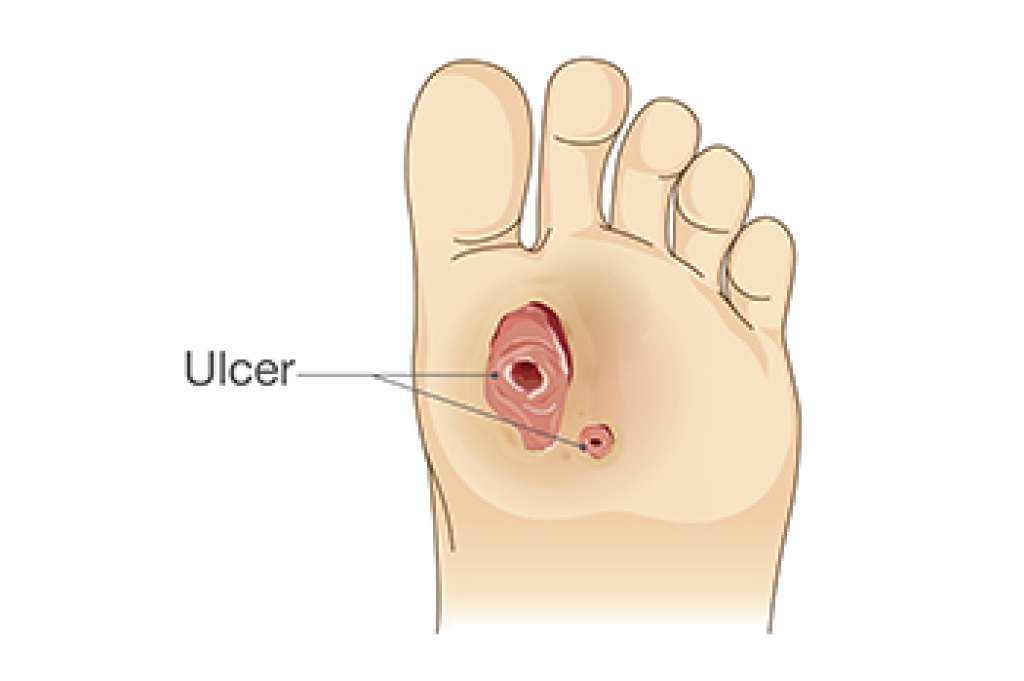
A diabetic foot ulcer is an open sore that develops on the foot of someone with diabetes. High blood sugar can damage nerves and reduce blood flow, making injuries harder to notice and take longer to heal. Symptoms  include redness, swelling, or an open wound. Some ulcers may cause little pain because diabetic neuropathy can reduce sensation. Early treatment is important because untreated ulcers can become infected and may lead to serious complications.

Common causes include repeated pressure, friction, minor injuries, and reduced sensation. Risk factors include diabetes, previous ulcers, and difficulty controlling blood sugar. A podiatrist may examine the ulcer, check circulation and sensation, and look for infection. Initial treatment may involve cleaning and dressing the wound, removing unhealthy tissue when appropriate, and reducing pressure. Treatment is tailored to the ulcer and the patient.


Offloading pressure is an important part of diabetic foot ulcer treatment. A total contact cast is a specialized cast that distributes pressure across the foot and lower leg while limiting weight-bearing stress on the ulcer. It can be especially useful for certain plantar ulcers when appropriate. Removable cast walkers are another option. They protect the foot while allowing the device to be removed for wound care and inspection. A podiatrist will determine which approach is safest, based on wound location and severity.


Regular follow-up helps monitor healing and reduce complications. A podiatrist may change dressings, reassess the wound, and recommend footwear that protects the foot after healing. Patients should also inspect their feet daily and avoid walking barefoot. Any new redness, drainage, or skin breakdown should receive prompt attention. If you have diabetes and have developed a foot ulcer, it is strongly suggested that you are under the care of a podiatrist who can help you to manage this serious condition.

Wound care is an important part in dealing with diabetes. If you have diabetes and a foot wound or would like more information about wound care for diabetics, consult with one of our podiatrists from VIP Foot & Ankle Center. Our doctors will assess your condition and provide you with quality foot and ankle treatment.

What Is Wound Care?

Wound care is the practice of taking proper care of a wound. This can range from the smallest to the largest of wounds. While everyone can benefit from proper wound care, it is much more important for diabetics. Diabetics often suffer from poor blood circulation which causes wounds to heal much slower than they would in a non-diabetic. 

What Is the Importance of Wound Care?

While it may not seem apparent with small ulcers on the foot, for diabetics, any size ulcer can become infected. Diabetics often also suffer from neuropathy, or nerve loss. This means they might not even feel when they have an ulcer on their foot. If the wound becomes severely infected, amputation may be necessary. Therefore, it is of the upmost importance to properly care for any and all foot wounds.

How to Care for Wounds

The best way to care for foot wounds is to prevent them. For diabetics, this means daily inspections of the feet for any signs of abnormalities or ulcers. It is also recommended to see a podiatrist several times a year for a foot inspection. If you do have an ulcer, run the wound under water to clear dirt from the wound; then apply antibiotic ointment to the wound and cover with a bandage. Bandages should be changed daily and keeping pressure off the wound is smart. It is advised to see a podiatrist, who can keep an eye on it.

If you have any questions please contact our office located in Pembroke Pines, FL . We offer the newest diagnostic and treatment technologies for all your foot and ankle needs.

Read more about Wound Care

Heel Pain Can Be Treated!

Do you suffer from heel pain when you get up in the morning? If so, you should seek professional help and have a proper diagnosis performed. Heel pain can be caused by several different foot-related conditions.

Advanced Podiatric Procedures & Services in the Miami, Pembroke Pines, Miami Gardens, Hollywood, Hallandale Beach, Davie, Dania Beach, North Miami, Hialeah, Fort Lauderdale areas