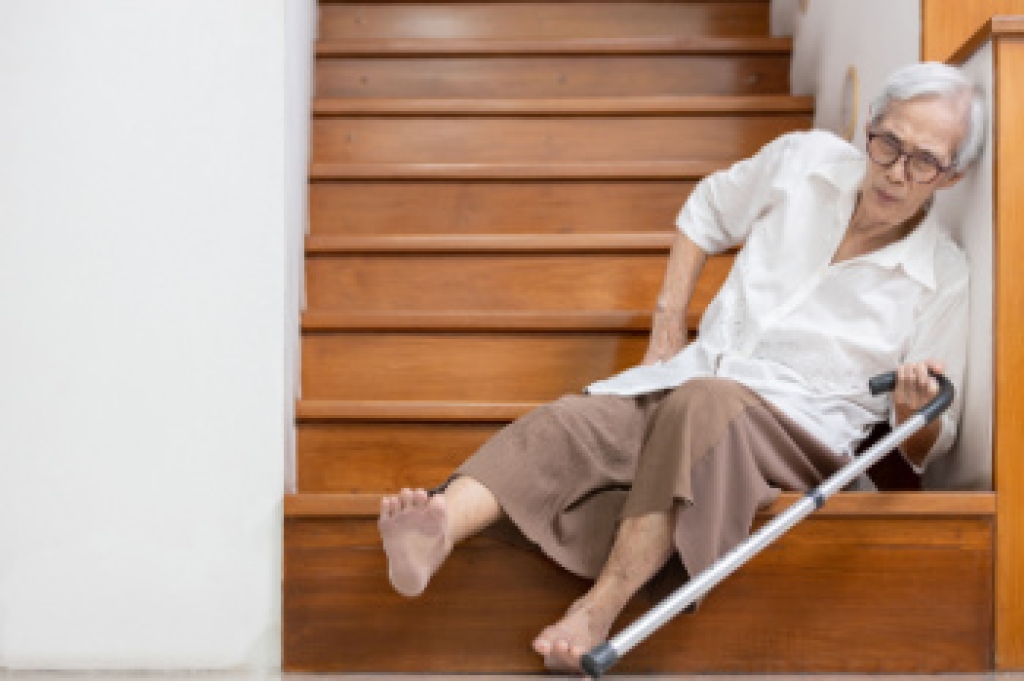
Falling at home is a common concern for older adults, and a simple stumble can cause injury. A fall happens when balance, vision, or footing is disrupted. Common symptoms after a fall include pain, swelling, or bruising. Tenderness, difficulty walking, or reduced movement may also be common. Persistent discomfort deserves attention. Falls can result in sprains, fractures, or damage to the toes and midfoot.
Several factors can increase the risk of falling at home. Loose rugs, cluttered walkways, and stairs can create hazards. Weakness, vision problems, and medications may also contribute. Seniors can reduce these risks by keeping pathways clear and securing or removing loose rugs. Installing brighter lighting and sturdy handrails can make movement around the home safer. Wearing supportive, properly fitted shoes instead of walking in socks can also improve stability.
Fall-proofing the home is especially important in areas used every day. Keep frequently used items within easy reach to avoid climbing or stretching. Use non-slip mats in areas where floors may become wet. A bathroom grab bar can provide additional support near the shower or toilet. After a fall, avoid putting weight on a painful foot or ankle. A podiatrist can examine the foot, check swelling and tenderness, and determine whether imaging is needed.
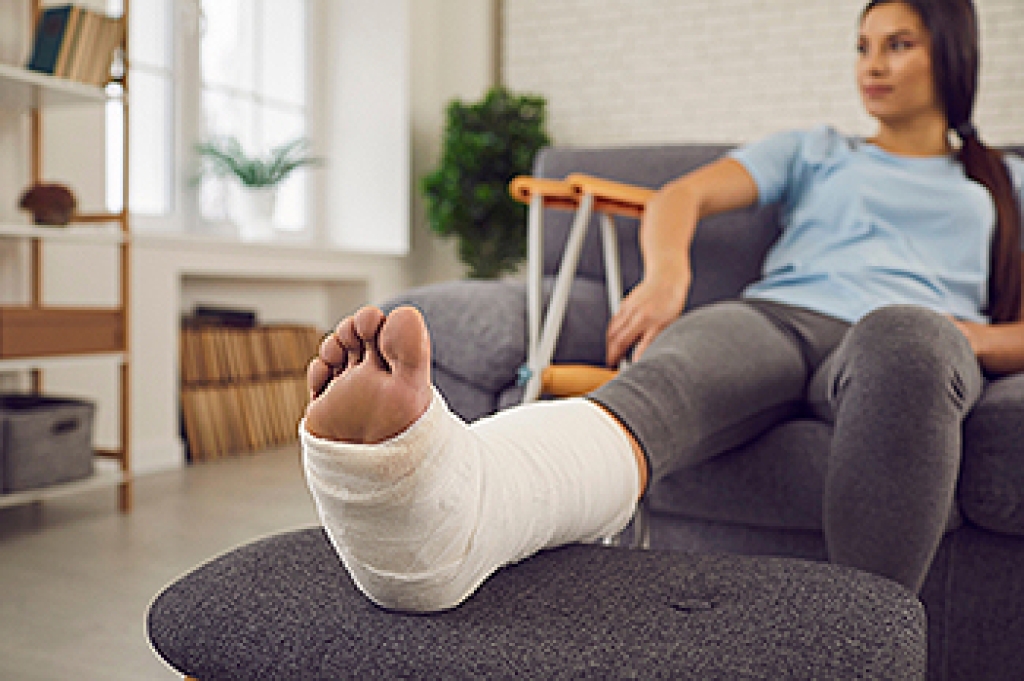
Treatment depends on the injury and its severity. A podiatrist may recommend rest, protective footwear, or temporary immobilization as needed. Bracing or supportive devices may help protect an injured area while it heals. A walking boot may protect a fracture while it heals. Follow-up visits can monitor healing and help determine when normal activity can safely resume and reduce the chance of another fall. If you have sustained a foot or ankle injury from falling at home, it is suggested that you consult a podiatrist for effective relief, treatment, and additional fall prevention tips.
Preventing falls among the elderly is very important. If you are older and have fallen or fear that you are prone to falling, consult with one of our podiatrists from VIP Foot & Ankle Center. Our doctors will assess your condition and provide you with quality advice and care.
Every 11 seconds, an elderly American is being treated in an emergency room for a fall related injury. Falls are the leading cause of head and hip injuries for those 65 and older. Due to decreases in strength, balance, senses, and lack of awareness, elderly persons are very susceptible to falling. Thankfully, there are a number of things older persons can do to prevent falls.
How to Prevent Falls
Some effective methods that older persons can do to prevent falls include:
- Enrolling in strength and balance exercise program to increase balance and strength
- Periodically having your sight and hearing checked
- Discuss any medications you have with a doctor to see if it increases the risk of falling
- Clearing the house of falling hazards and installing devices like grab bars and railings
- Utilizing a walker or cane
- Wearing shoes that provide good support and cushioning
- Talking to family members about falling and increasing awareness
Falling can be a traumatic and embarrassing experience for elderly persons; this can make them less willing to leave the house, and less willing to talk to someone about their fears of falling. Doing such things, however, will increase the likelihood of tripping or losing one’s balance. Knowing the causes of falling and how to prevent them is the best way to mitigate the risk of serious injury.
If you have any questions, please feel free to contact our office located in Pembroke Pines, FL . We offer the newest diagnostic and treatment technologies for all your foot care needs.